

Management of complications in IR = prevention, prompt recognition, and effective treatment.
Complications in IR are potentially avoidable in 55% to 84% of cases.
IR doctors should be responsible for managing their own complications.
By Jose Urbano MD, PhD, EBIR, FCIRSE
Vascular and Interventional Radiology Service
Ramón y Cajal University Hospital
Madrid, Spain
Contact details:
Email: [email protected]; [email protected]
Mobile phone: +34 606 31 84 30
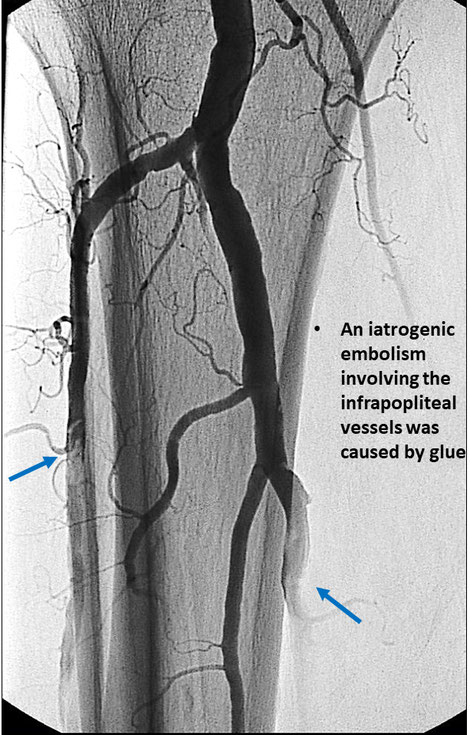
According to the World Health Organization, one in ten patients is harmed during their hospital stay. Vascular and Interventional Radiology (VIR) is a field that involves numerous invasive techniques and treatments. For this reason, it is considered a specialty susceptible to a significant rate of iatrogenic complications. A recent study revealed that 55% to 84% of the mistakes related to IR were potentially avoidable.
Managing complications in VIR involves proactive prevention, prompt recognition, and effective treatment. Robust pre-procedural planning is essential to avoid complications. Post-procedure rounds
and patient follow-up by the VIR team are crucial for prompt recognition of complications. Effective treatment, when administered in a timely manner, can save the patient from further
complications, sequel or death.
A multidisciplinary approach is usually necessary for managing a major complication. When a complication arises, the VIR team must consult with other specialists, such as surgeons or critical care specialists, depending on the affected organ system. Morbidity and mortality meetings are an important part of the process and help us to learn from complications.
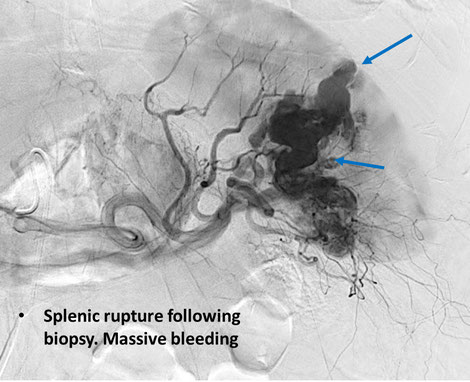
Using a device incorrectly, being unfamiliar with it, or using it for off-label applications can lead to a serious problem. On the day of the procedure, it is important to clearly mark and flag any special items in advance. Providing patients and their relatives with clear discharge instructions is a significant step in decreasing complications.
Safety checklists, pre-procedural planning, team communication, a multidisciplinary approach, patient information, and family support should be the mantra before every IR intervention.
Finally, be honest and humble. Accept your personal limitations while striving for the highest standards of patient safety.
Write a comment
Natanael Vázquez (Thursday, 25 December 2025 23:43)
Dr Urbano, it seems to me like we all should be aware of the information provided by you. Do you think you could elaborate on the topic with more specific data? Otherwise it seems pretty pointless to read this.