
May 28, 2026
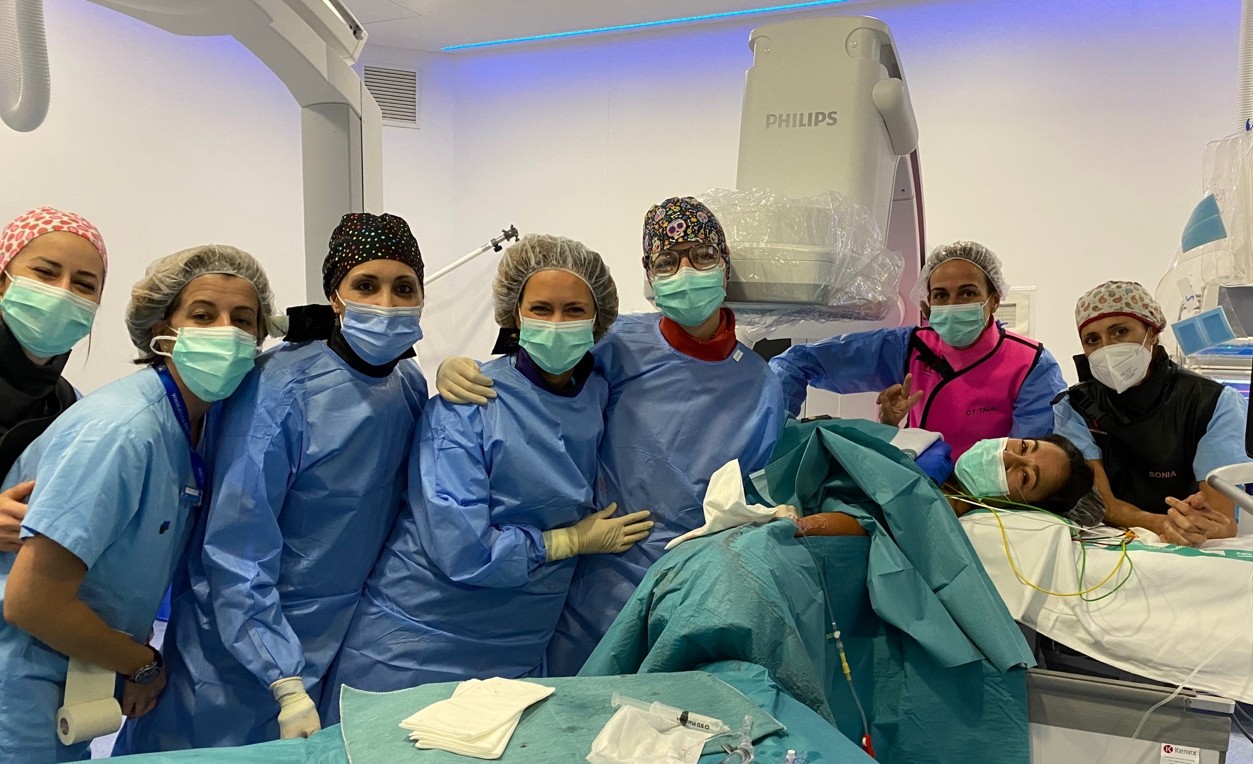
Interventional radiology stands at the forefront of minimally invasive innovation, defined by urgency, technical and clinical excellence, and constant availability. Yet behind this progress lies a growing and uncomfortable reality: the driving force that makes our specialty extraordinary may also be quietly exhausting the people who sustain it. This reflection explores burnout in IR not as a personal weakness, but as a systemic and professional challenge we can no longer afford to ignore.
March 19, 2026
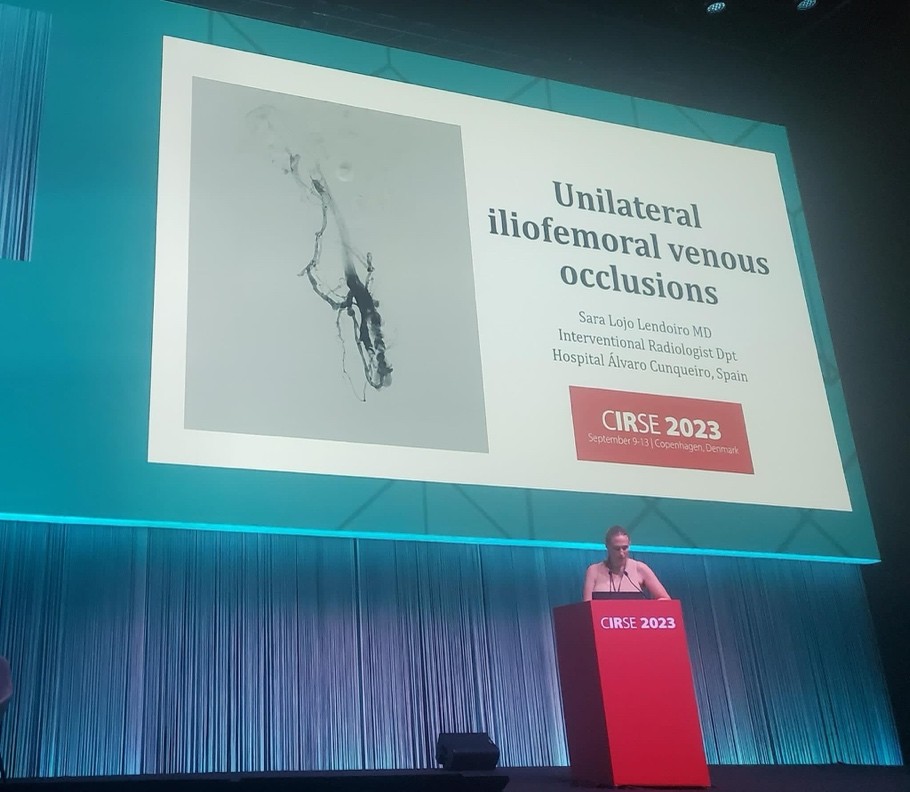
In interventional radiology (IR), work–life balance is more often discussed in informal conversations than in professional forums. It tends to surface after a long on-call shift, following an unexpected complication, or in those quiet moments when professionals weigh whether to take on new clinical, academic, or leadership responsibilities.

February 19, 2026
CIRSE’s Standards of Practice documents cover all aspects pertaining to the successful performance of a procedure, incorporating a framework for longitudinal care from referral to discharge.
December 19, 2025
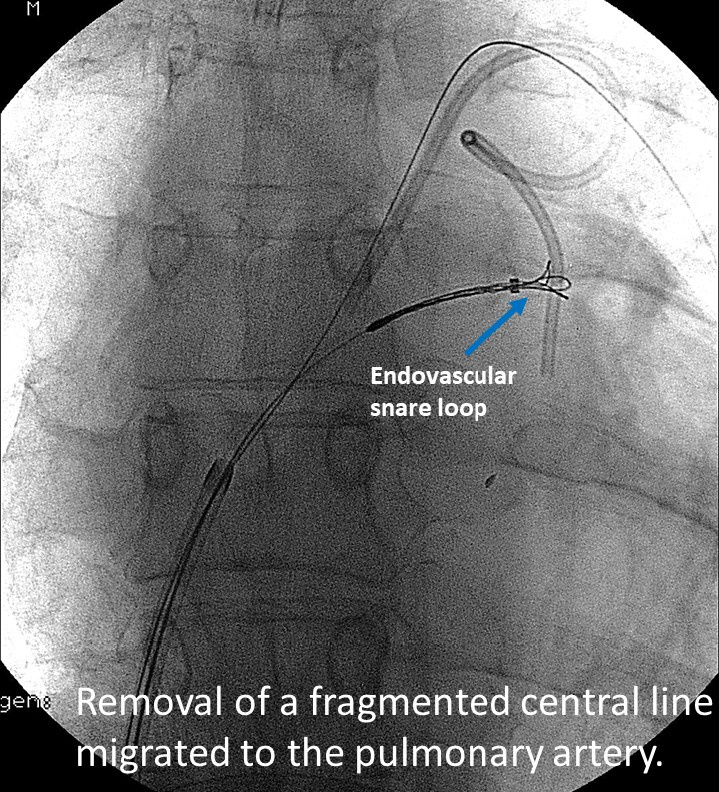
Management of complications in IR = prevention, prompt recognition, and effective treatment.
Complications in IR are potentially avoidable in 55% to 84% of cases.
IR doctors should be responsible for managing their own complications. Read more...
October 24, 2025
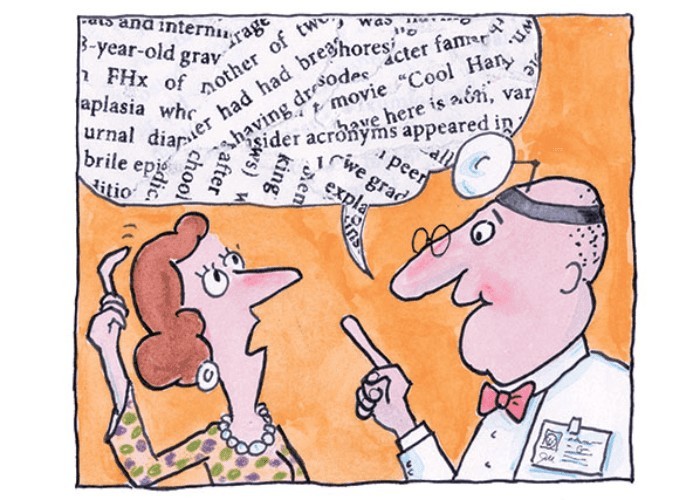
Effective doctor-patient communication is essential towards optimal patient-centered care. Compassion, patient understanding of and adherence to treatments, and patient satisfaction are based on an empathetic approach and active listening, both of which are necessary skills in the healthcare setting.
August 22, 2025
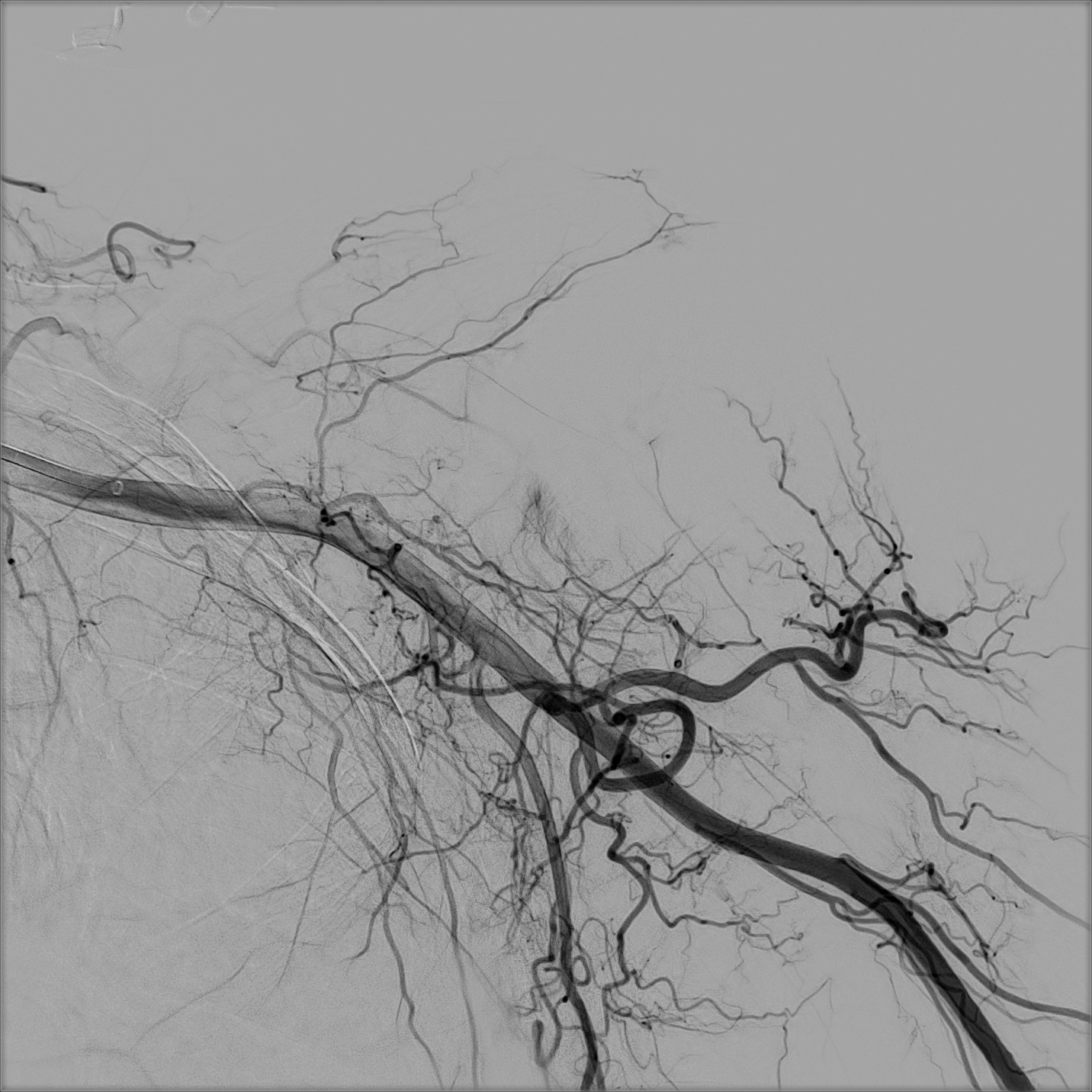
Could musculoskeletal embolization be the breakthrough chronic pain patients have been waiting for?
This minimally invasive procedure is emerging as a promising treatment for conditions like osteoarthritis and tendinopathies. Learn how targeted embolization can reduce inflammation, improve mobility and offer relief when other therapies fall short.

June 20, 2025
Pelvic varicosities secondary to Pelvic Venous Insufficiency (PeVI) can cause chronic pelvic pain (CCP) with debilitating symptoms in women. Although various techniques and embolic agents have been reported, embolisation provides about 75% symptom relief, making it a minimally invasive treatment option.

April 18, 2025
Interventional radiology is emerging as one of the most rapidly evolving medical specialties. With our minimally invasive, yet complex and often life-saving procedures, we´re still too often viewed as proceduralists – not clinicians. But that perception is changing. Dive into the discussion on why interventional radiologists should step up as clinicians and how this can revolutionize the field.

February 14, 2025
As IRs, we push the boundaries of medicine with image-guided, minimally invasive treatments. Yet, pediatric IR faces hurdles that limit its impact. Awareness remains a challenge, as many referring physicians overlook pediatric IR’s potential. Training opportunities are scarce, leaving gaps in expertise. Infrastructure limitations further restrict access. By advocating for pediatric IR, expanding education, and strengthening collaboration, we can ensure more children receive life-chaning care.
December 20, 2024
Uterine Artery Embolisation (UAE) is one of the most valuable elective treatments that IRs can offer. However, the procedure has always suffered from a relative lack of awareness and exposure, leading to many women potentially missing out on finding out about it, or even worse not finding an IR that can perform it. Data to support safety and efficacy of UAE is abundant, and yet it seems that patient access remains problematic. Should the IR community be doing something different?